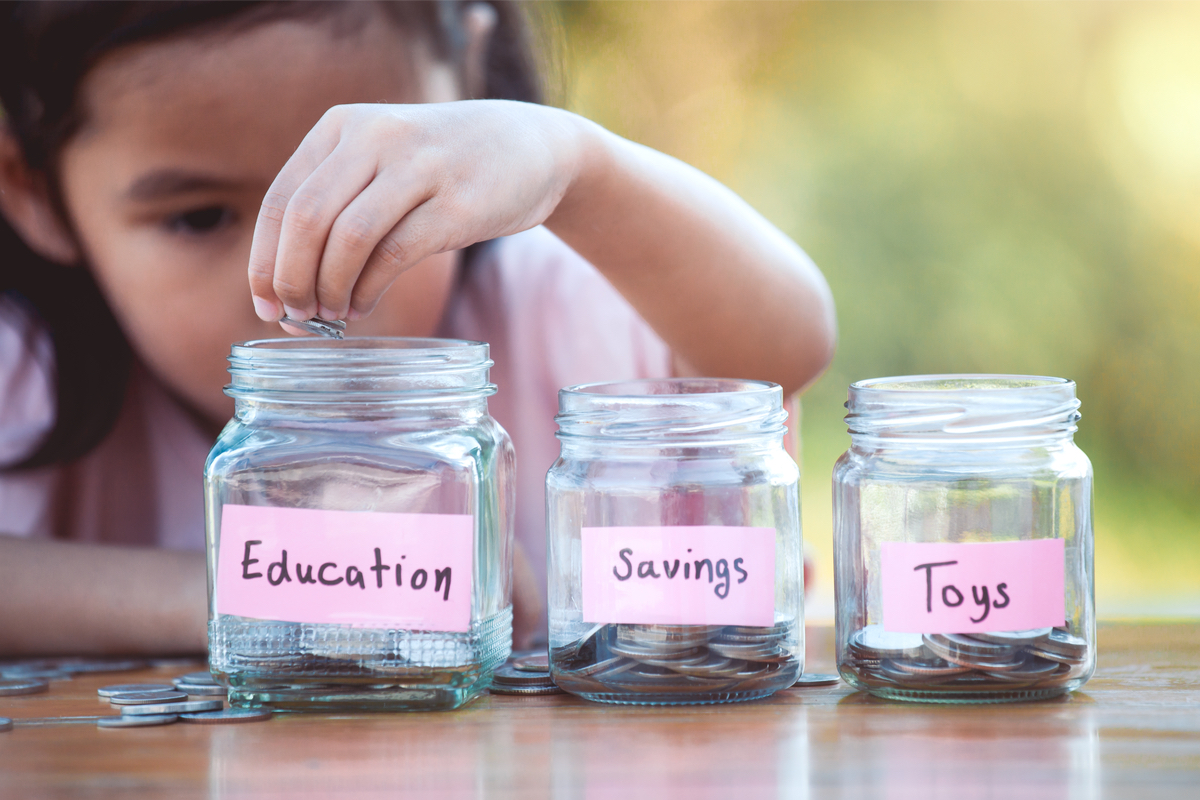
Unlike reading, writing, arithmetic (and now coding!), children don’t tend to study money management in the classroom, leaving this important life skill to be taught by the parents, care givers or simply through life experience. Getting your child into good habits of controlling and managing their money can really set them up for life. As the tips below outline, get them earning, saving and ‘borrowing’ young, so they can practice and appreciate the value of their pocket money now, taking these lessons all the way through to their pension days.
Chores for change
Instead of simply dishing out pocket money, make kids work for it! Washing the car, cleaning their room or helping in the garden, weekly chores in exchange for change can really teach children the value of money and what it means to work for it. There’s also a lot to be learned about ‘job’ responsibility for completing these tasks and about saving and managing their weekly pocket money. Once they are slightly older, paper rounds and Saturday jobs are also a great way to introduce them to working life and the realisation that money is earned not just given away.
Encourage saving
With technology being a huge draw for youngsters these days, and most games and gadgets coming in at a pretty penny, it’s not surprising that many kids are actually good savers. Instead of saving £10 a week and then splurging on the latest game, why not encourage them to save for the longer term – getting into this habit from an early age that will help set them up financially for life. Teach children that when they have money it can be put away for the future instead of spent all at once. Setting up an ISA and teaching them about interest could be a way to get them involved, watching their money grow.
Introduce budgeting
Explain to your kids that good money management includes budgeting, giving them a lowdown on how your own monthly wages are split between all the various bills and payments to keep your family going. Or a more fun approach could be to set them off on a challenge at the shops or supermarket to see how much they can buy themselves on a set budget. Knowing the price of everyday items and appreciating what you can afford are great lessons to learn, particularly before kids head of to university and learn the hard way!
Teach them to be credit wise
It’s unlikely that they will go through their lives without borrowing credit, so teaching children about this early on, in a fun way, can impart important lessons that they can take on into adulthood. Try lending them a sum of money and explaining that they must pay a certain amount back each week as ‘interest’ – you can always save this money separately and pay them back once they have successfully paid their ‘loan’.
Explain financial jargon
Financial jargon can often trip adults up, so children will also be confused by various terms at this stage. The main thing to get across to kids is to make sure they understand the terms and conditions if ever taking out a credit card or loan in the future, seeking out extra information if necessary as well as shopping around for the best deals available. In this way they can have better control over their financial choices and not find themselves struggling to make payments or paying over the odds if they don’t have to.